
Get specialist evaluation and treatment for kidney and ureteric stones with Dr Sanjeev Jain, senior urologist in Raipur, at Jeewan Memorial Hospital for Urology & Plastic Surgery.
Treatment is planned according to the size, location and complexity of the stone, along with the patient’s symptoms and overall health.
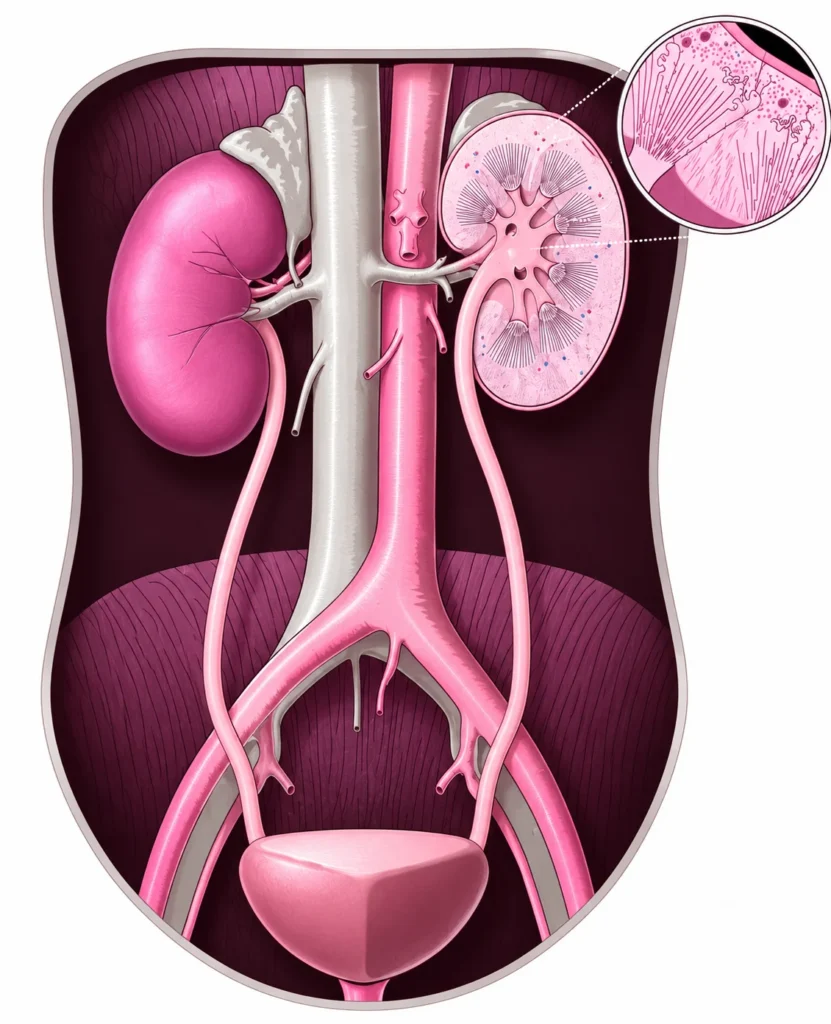
Kidney stones are hard deposits that form inside the kidneys and may move into the ureter, the tube that carries urine from the kidney to the bladder. Some small stones may pass naturally, while larger or obstructing stones can cause severe pain and may require specialist treatment.
At Jeewan Memorial Hospital, Raipur, Dr Sanjeev Jain provides comprehensive evaluation and treatment for kidney stones, ureteric stones and related urinary problems.
The aim of treatment is to relieve symptoms, clear obstruction when needed and help reduce the risk of complications or recurrence.
Kidney stones may cause different symptoms depending on their size and location. Common symptoms include:
Lorem ipsum dolor sit amet, consectetur adipiscing elit. Ut elit tellus, luctus nec ullamcorper mattis, pulvinar dapibus leo.
Lorem ipsum dolor sit amet, consectetur adipiscing elit. Ut elit tellus, luctus nec ullamcorper mattis, pulvinar dapibus leo.
Lorem ipsum dolor sit amet, consectetur adipiscing elit. Ut elit tellus, luctus nec ullamcorper mattis, pulvinar dapibus leo.
Lorem ipsum dolor sit amet, consectetur adipiscing elit. Ut elit tellus, luctus nec ullamcorper mattis, pulvinar dapibus leo.
Lorem ipsum dolor sit amet, consectetur adipiscing elit. Ut elit tellus, luctus nec ullamcorper mattis, pulvinar dapibus leo.
Lorem ipsum dolor sit amet, consectetur adipiscing elit. Ut elit tellus, luctus nec ullamcorper mattis, pulvinar dapibus leo.
Lorem ipsum dolor sit amet, consectetur adipiscing elit. Ut elit tellus, luctus nec ullamcorper mattis, pulvinar dapibus leo.
Lorem ipsum dolor sit amet, consectetur adipiscing elit. Ut elit tellus, luctus nec ullamcorper mattis, pulvinar dapibus leo.
Lorem ipsum dolor sit amet, consectetur adipiscing elit. Ut elit tellus, luctus nec ullamcorper mattis, pulvinar dapibus leo.
Kidney stones can develop for several reasons. Risk may increase due to various lifestyle, dietary, and medical factors:
Inadequate fluid intake leads to concentrated urine and mineral crystallization.
Excess sodium increases calcium excretion in urine, elevating stone risks.
Excessive intake of animal protein or oxalate-rich foods.
Genetic predisposition increases the likelihood of stone formation.
Repeated urinary infections alter urine chemistry, forming struvite stones.
Hyperparathyroidism, renal tubular acidosis, or gout (uric acid stones).
Higher BMI and sedentary lifestyle alter urinary biochemical markers.
Certain supplements or diuretics can elevate stone formation.
Patients who previously had stones have a higher recurrence rate.
Identifying the type and possible cause of stones may help in planning treatment and prevention.
A proper diagnosis helps determine the size, number and location of kidney stones and whether they are causing urinary obstruction. Evaluation may include:
Detailed assessment of pain location, duration, and medical history.
Evaluates blood (hematuria), infection markers, pH, and stone crystals.
Checks serum creatinine, kidney function, calcium, and uric acid levels.
Non-invasive initial imaging to locate stones and assess hydronephrosis.
Helps identify radio-opaque calcium and struvite urinary stones.
Gold standard 3D imaging for precise stone size, hardness (HU), and location.
The treatment plan is selected after reviewing the stone and the patient’s overall condition.
Treatment depends on the size, location and type of stone as well as symptoms, infection and kidney function.
Small stones may sometimes pass naturally. Treatment includes targeted medications, hydration guidance, and regular imaging monitoring.
Recommended when stones are unlikely to pass naturally or cause obstruction, persistent pain, or recurrent urinary infections.
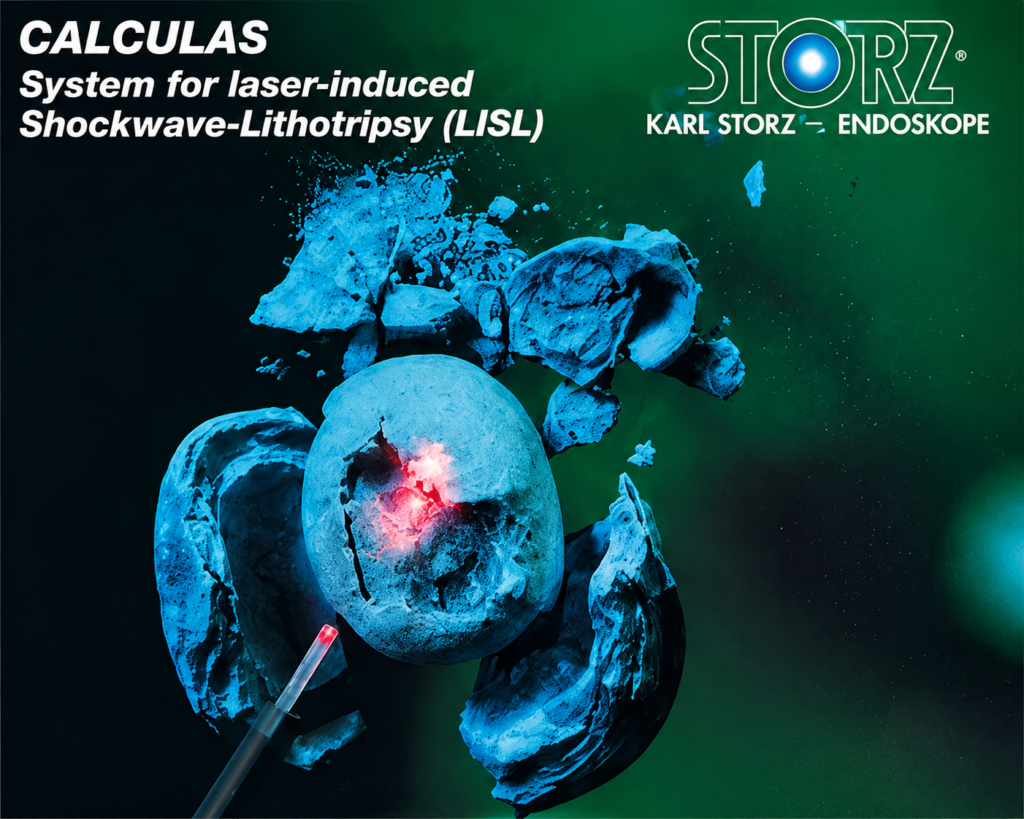
Advanced laser technology breaks stones into fine dust-like fragments that can be easily washed out or removed.
Ideal for stones located in the ureter. A fine ureteroscope is guided through the natural urinary tract without external cuts.
Performed using a flexible digital endoscope and Holmium laser for stones inside the kidney calyces.
Keyhole procedure considered for selected larger, complex, or staghorn kidney stones with high stone-free rates.
The most appropriate procedure depends on individual clinical findings.
Patients looking for a kidney stone doctor in Raipur or a kidney stone specialist in Raipur can consult Dr Sanjeev Jain at Jeewan Memorial Hospital for Urology & Plastic Surgery.
Dr Jain provides specialist urology evaluation for kidney and ureteric stones and recommends treatment based on diagnostic findings rather than using the same approach for every patient.
Lorem ipsum dolor sit amet, consectetur adipiscing elit. Ut elit tellus, luctus nec ullamcorper mattis, pulvinar dapibus leo.
Lorem ipsum dolor sit amet, consectetur adipiscing elit. Ut elit tellus, luctus nec ullamcorper mattis, pulvinar dapibus leo.
Lorem ipsum dolor sit amet, consectetur adipiscing elit. Ut elit tellus, luctus nec ullamcorper mattis, pulvinar dapibus leo.
Lorem ipsum dolor sit amet, consectetur adipiscing elit. Ut elit tellus, luctus nec ullamcorper mattis, pulvinar dapibus leo.
Lorem ipsum dolor sit amet, consectetur adipiscing elit. Ut elit tellus, luctus nec ullamcorper mattis, pulvinar dapibus leo.
Lorem ipsum dolor sit amet, consectetur adipiscing elit. Ut elit tellus, luctus nec ullamcorper mattis, pulvinar dapibus leo.
Lorem ipsum dolor sit amet, consectetur adipiscing elit. Ut elit tellus, luctus nec ullamcorper mattis, pulvinar dapibus leo.
Lorem ipsum dolor sit amet, consectetur adipiscing elit. Ut elit tellus, luctus nec ullamcorper mattis, pulvinar dapibus leo.
Lorem ipsum dolor sit amet, consectetur adipiscing elit. Ut elit tellus, luctus nec ullamcorper mattis, pulvinar dapibus leo.
Early assessment can help identify obstruction, infection or other problems that may require treatment.
After treatment, prevention is essential for patients who have recurrent stones. General recommendations include:
Lorem ipsum dolor sit amet, consectetur adipiscing elit. Ut elit tellus, luctus nec ullamcorper mattis, pulvinar dapibus leo.
Lorem ipsum dolor sit amet, consectetur adipiscing elit. Ut elit tellus, luctus nec ullamcorper mattis, pulvinar dapibus leo.
Lorem ipsum dolor sit amet, consectetur adipiscing elit. Ut elit tellus, luctus nec ullamcorper mattis, pulvinar dapibus leo.
Lorem ipsum dolor sit amet, consectetur adipiscing elit. Ut elit tellus, luctus nec ullamcorper mattis, pulvinar dapibus leo.
Lorem ipsum dolor sit amet, consectetur adipiscing elit. Ut elit tellus, luctus nec ullamcorper mattis, pulvinar dapibus leo.
Lorem ipsum dolor sit amet, consectetur adipiscing elit. Ut elit tellus, luctus nec ullamcorper mattis, pulvinar dapibus leo.
Prevention advice should be personalized according to the patient’s stone type and medical history.
Consultation and surgical treatment led by experienced urologist Dr Sanjeev Jain.
Accurate treatment planning based on comprehensive laboratory and NCCT KUB assessment.
Endoscopic and laser procedures (URS, RIRS, PCNL) to ensure minimal discomfort and rapid recovery.
Treatment is customized according to stone size, location, symptoms and individual health.
Conveniently located specialist hospital with dedicated urology facilities in New Shanti Nagar.
If you are experiencing kidney stone symptoms or have already been diagnosed with a kidney or ureteric stone, schedule a consultation with Dr Sanjeev Jain, Urologist in Raipur.
New Shanti Nagar, Raipur, Chhattisgarh
Phone: 0771 2428478
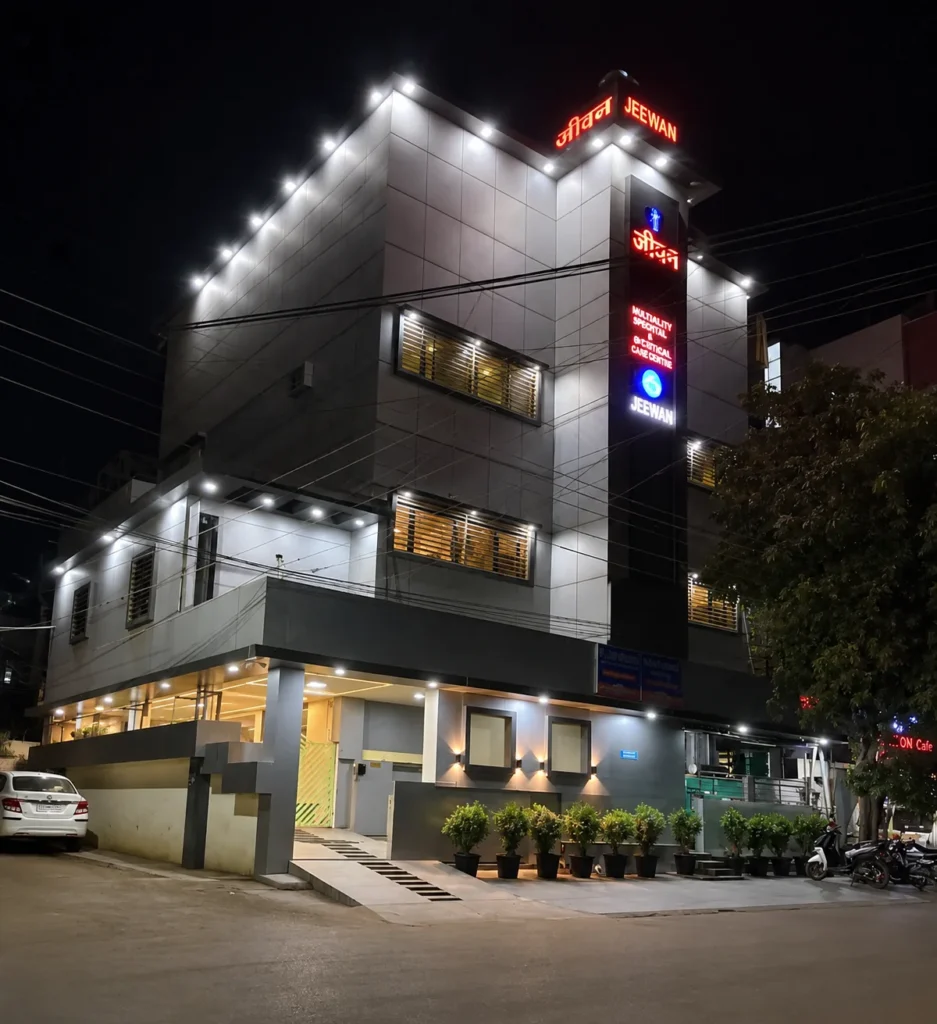
A urologist is the appropriate specialist for kidney and ureteric stones. Patients can consult Dr Sanjeev Jain at Jeewan Memorial Hospital for Urology & Plastic Surgery in New Shanti Nagar, Raipur.
Some small stones may pass naturally with adequate hydration and medical therapy, while larger, obstructing or symptomatic stones may require an endoscopic or laser procedure. A urologist can determine the appropriate treatment after evaluation.
Symptoms may include severe side or lower back pain, blood in urine, burning urination, nausea, frequent urge to urinate, or difficulty passing urine.
Yes. Laser technology (Holmium laser) is used during selected endoscopic stone procedures (such as URS and RIRS) to break stones into fine dust-like fragments without open surgery.
A procedure may be considered when stones are large, causing urinary obstruction, associated with infection, causing persistent severe symptoms, or unlikely to pass naturally.
You can contact Jeewan Memorial Hospital directly at 0771 2428478 or use the online appointment booking option on the website.
Get specialist evaluation for kidney and ureteric stones with advanced laser technology.
Consult Dr Sanjeev Jain at Jeewan Memorial Hospital

Advanced urology care in Raipur with Dr Sanjeev Jain for kidney stones, prostate problems, urinary disorders and complete urological treatment.
Copyright © 2026 Jeewan Memorial Hospital For Urology And Plastic Surgery All Rights Reserved.
Term & Condition Support Privacy Policy